


29 апреля 2026 года
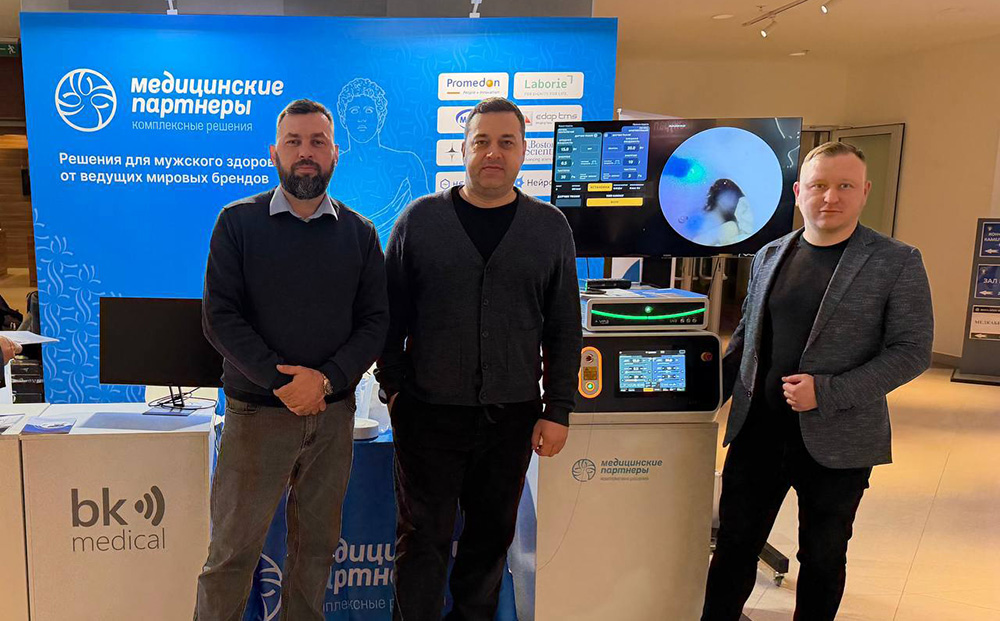
XXII Men’s Health Congress Concludes in Sochi
From April 23 to 25, the XXII Men’s Health Congress took place in Sochi, serving as a key event for professionals in urology, oncourology, and male reproductive health.
The congress provided a platform for discussing current approaches to diagnosis and treatment, including prostate cancer detection, surgical decision-making, and the boundaries of nerve-sparing techniques.
Key Topics and Discussions
The scientific program featured presentations by leading experts addressing relevant clinical challenges.
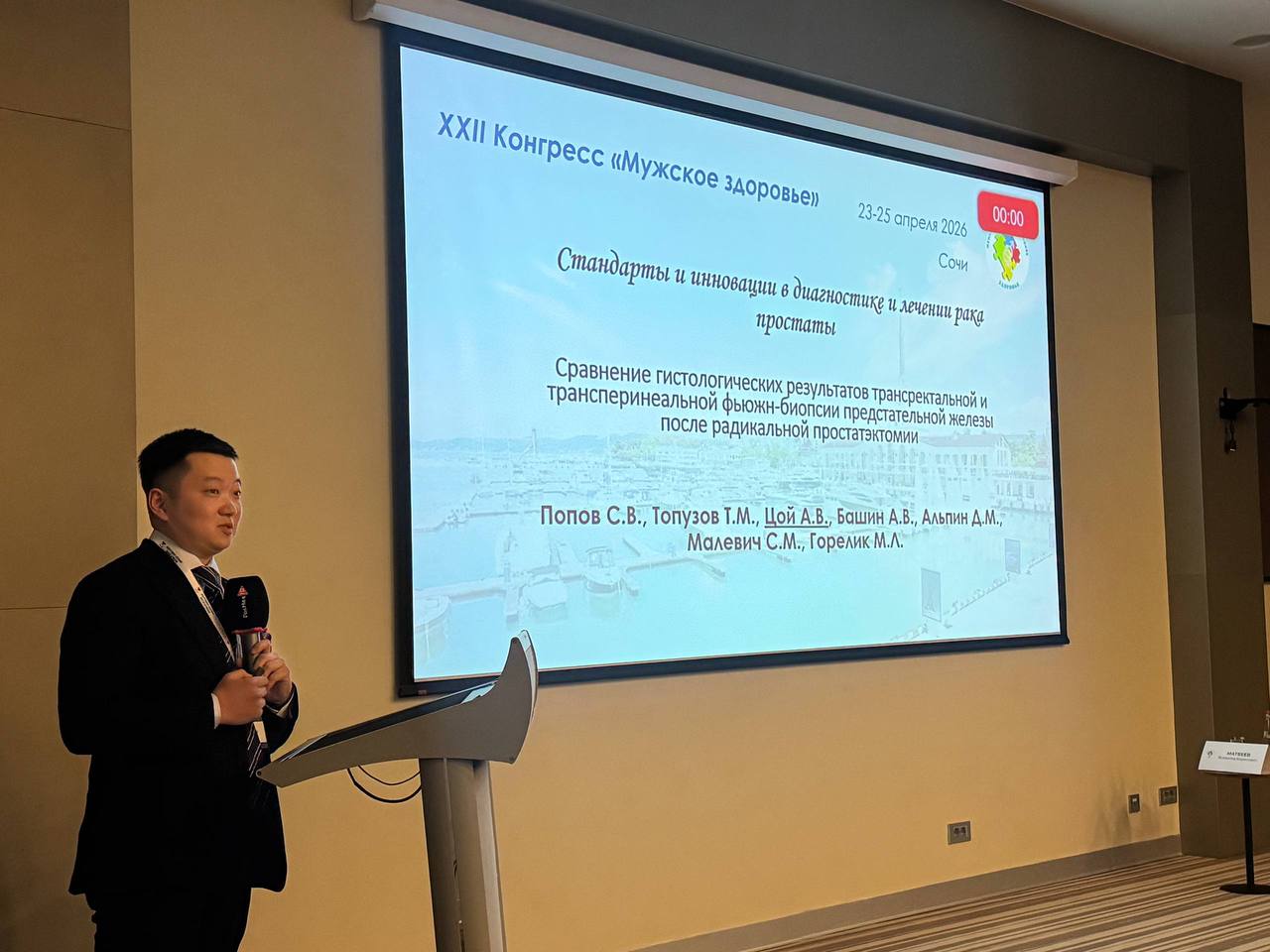
In his presentation,
“Comparison of Histological
Outcomes of Transrectal and Transperineal Fusion Prostate Biopsy After Radical
Prostatectomy,”
Alexey V. Tsoy highlighted that:
- transrectal and transperineal biopsy demonstrate comparable diagnostic accuracy;
- the transperineal approach offers a higher safety profile;
- there is a tendency toward fewer postoperative upgrades with transperineal biopsy;
- however, broader adoption of the transperineal approach is still limited by infrastructural constraints.
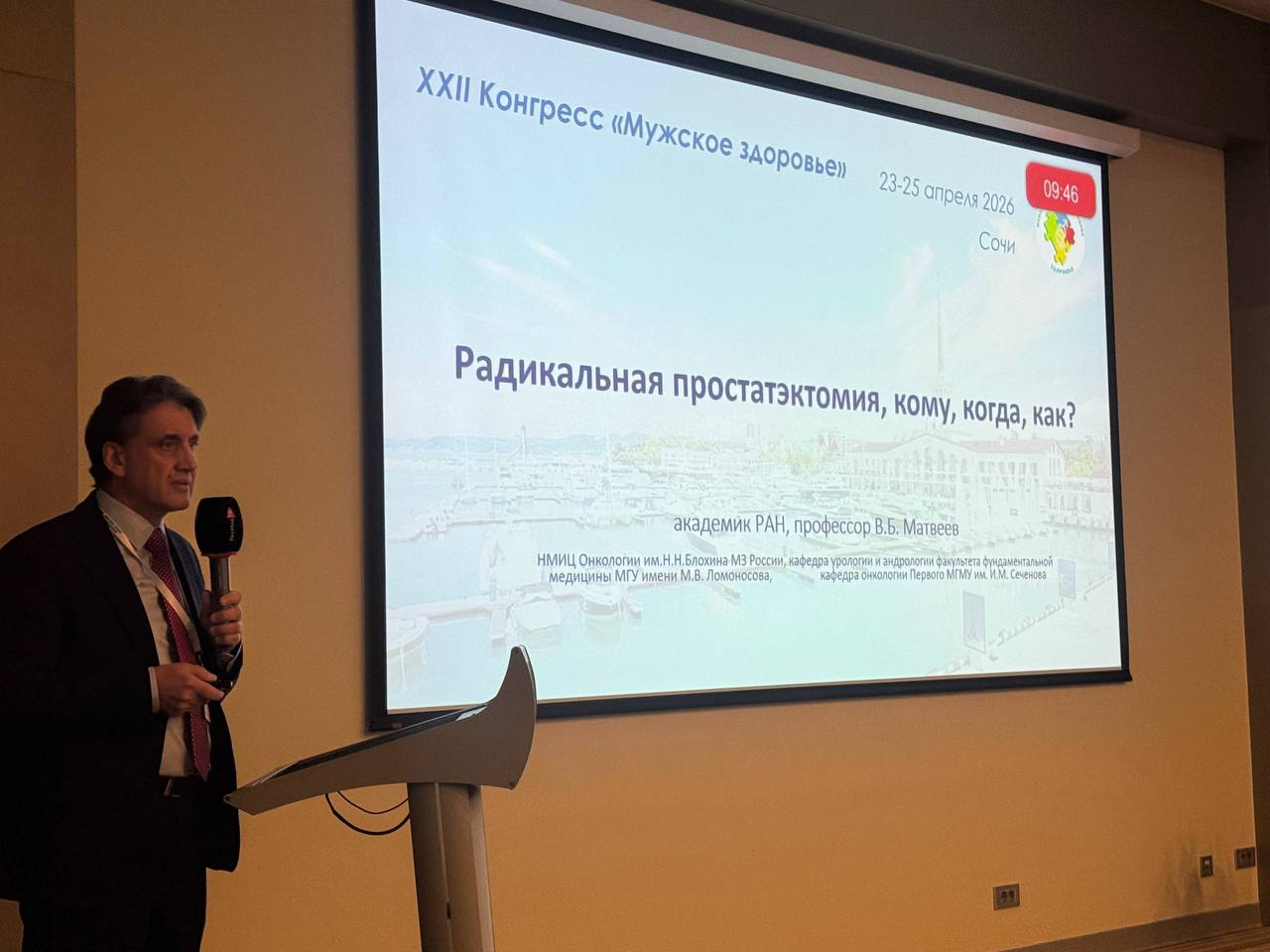
In the presentation
“Radical Prostatectomy: Who, When, and
How?”
Vsevolod B. Matveev emphasized that:
- traditional risk group stratification is no longer sufficient;
- treatment decisions increasingly rely on additional parameters, including PSA density, tumor burden, MRI and biopsy findings, family history, and tumor morphology;
- when indicated, robot-assisted surgery provides more predictable functional outcomes.
Robot-Assisted Surgery and Nerve-Sparing Approaches
Special attention was given to the development of robot-assisted surgery using the da Vinci system.
Experts noted that:
- the robotic approach is now considered a standard working tool in modern oncourology rather than an alternative option;
- robot-assisted prostatectomy offers advantages in terms of blood loss, complication rates, length of hospital stay, and continence outcomes;
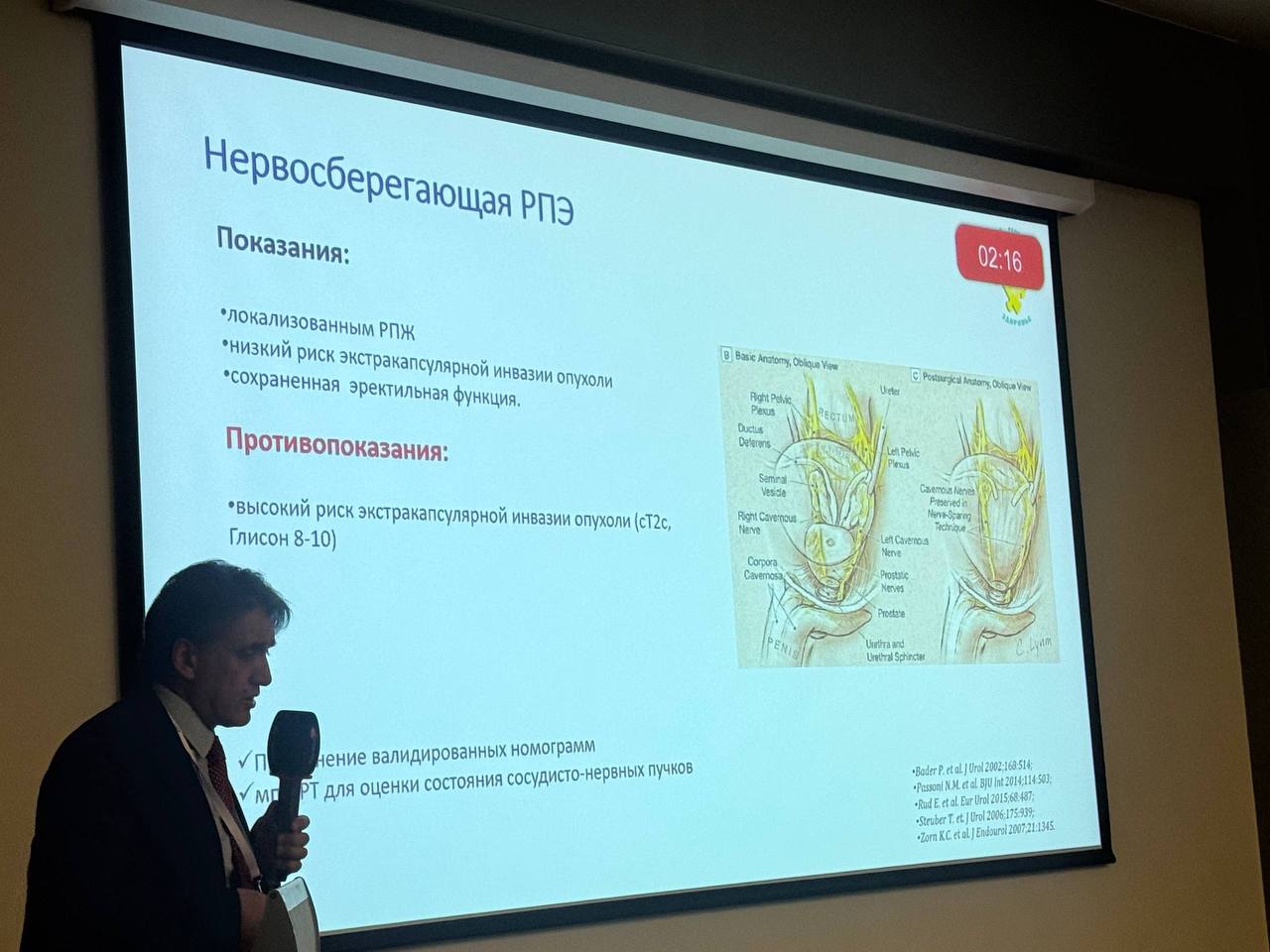
- robotic technology expands the possibilities for nerve-sparing surgery when oncologically appropriate.
Discussions on nerve-sparing radical prostatectomy emphasized that this approach cannot be universally applied and must be tailored to individual clinical scenarios. Achieving optimal oncological outcomes remains the primary priority, alongside preservation of function whenever possible.
Importance of Professional Dialogue
Events of this scale provide an important platform for expert discussion, exchange of clinical experience, and evaluation of evolving treatment strategies.
Participation in such congresses enables continuous engagement with current trends in clinical practice and supports the effective integration of modern medical technologies.
Подпишитесь на нашу рассылку о новинках и акциях

Спасибо за подписку!
Наши менеджеры свяжутся с вами в течение дня
 Производители
  Инструкции к оборудованию
  Контакты